
Research programme

One question
Four levels of inquiry

JOINT connects philosophical analysis, human neuroscience, comparative cognition, and developmental research in one testable framework

Editorial representation of collective goals

Research area 01

Collective goals and the nature of joint action

This strand develops the project’s theoretical foundation. It asks what distinguishes joint action from parallel action without assuming in advance that joint action must depend on sophisticated shared intentions.

The project develops the Collective Goal Account, according to which agents act jointly when their actions are directed toward a collective goal. This account allows researchers to investigate different psychological and neural processes that may support joint action, from motor preparation to higher-level planning.

Key topics

Collective goalsJoint and parallel actionPhilosophy of actionMotor representationShared agencySocial cognition
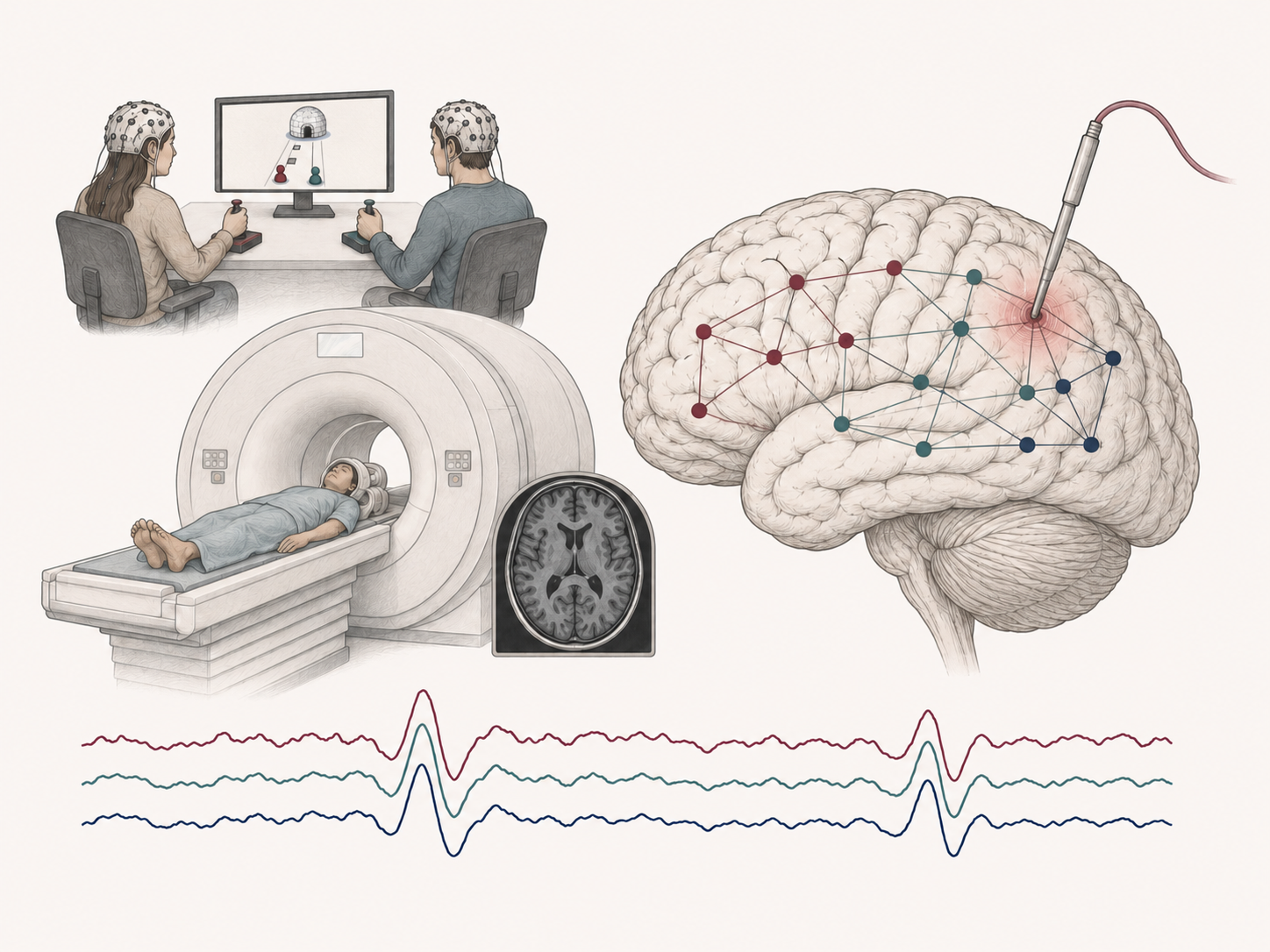
Editorial representation of human joint action

Research area 02

Human joint action: behavioural, electrophysiological (dual-EEG, DES) and neuroimaging studies

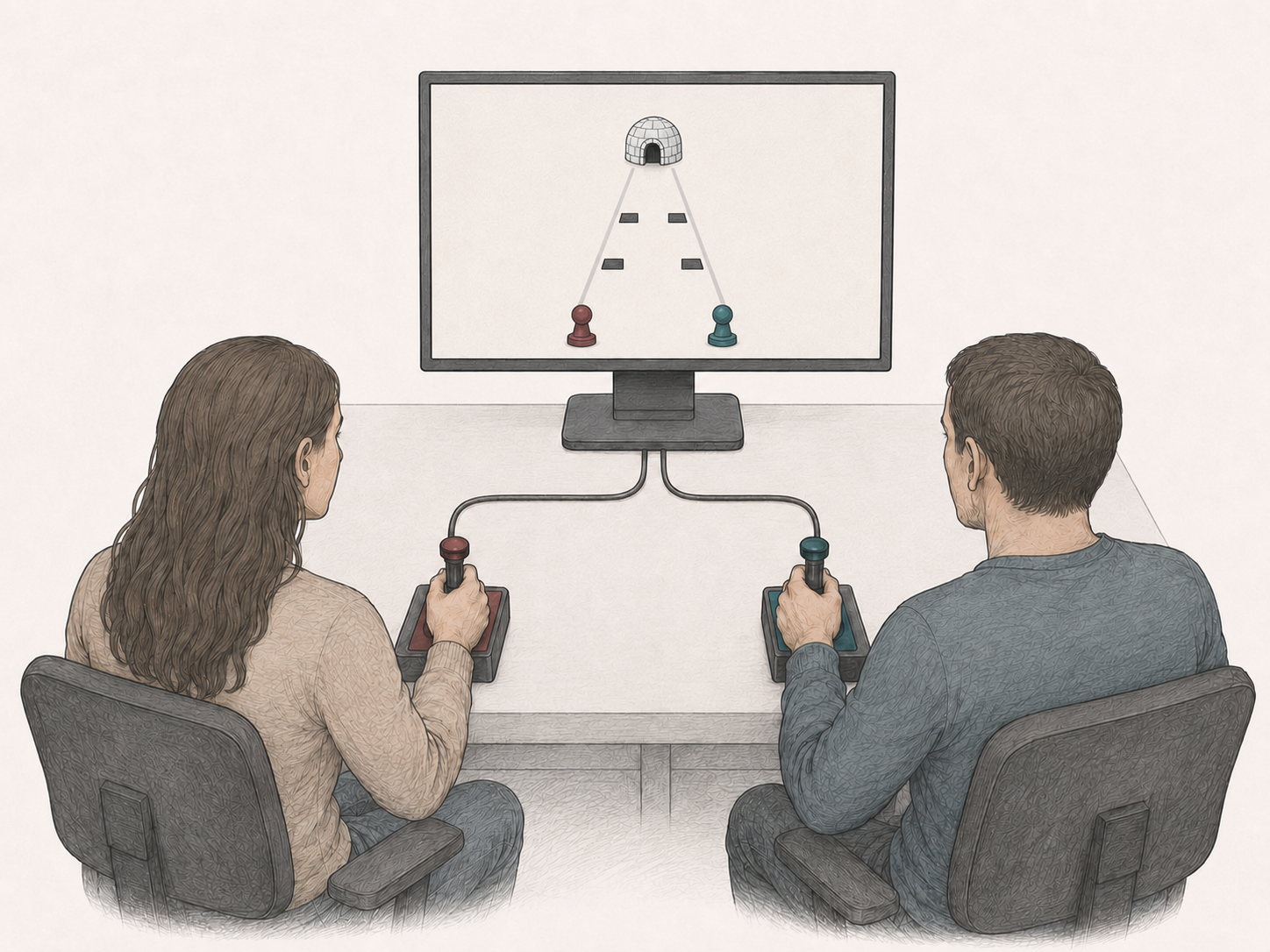
This strand tests the Collective Goal Account in adult participants. Pairs perform coordinated tasks in a video-game setting, either jointly or in parallel. The experiments compare conditions in which two agents share a collective goal with conditions in which they pursue individual goals while still needing to coordinate.

Using an integrated multidisciplinary approach—including dual-EEG, fMRI, and direct electrical stimulation (DES)—the project will investigate how collective goals shape action preparation, behavioral predictability, response variability, and functional connectivity within the brain.

Key topics

Dual-EEGDirect electrical stimulationfMRINeuroimagingAction preparationBehavioral predictabilityFunctional connectivity
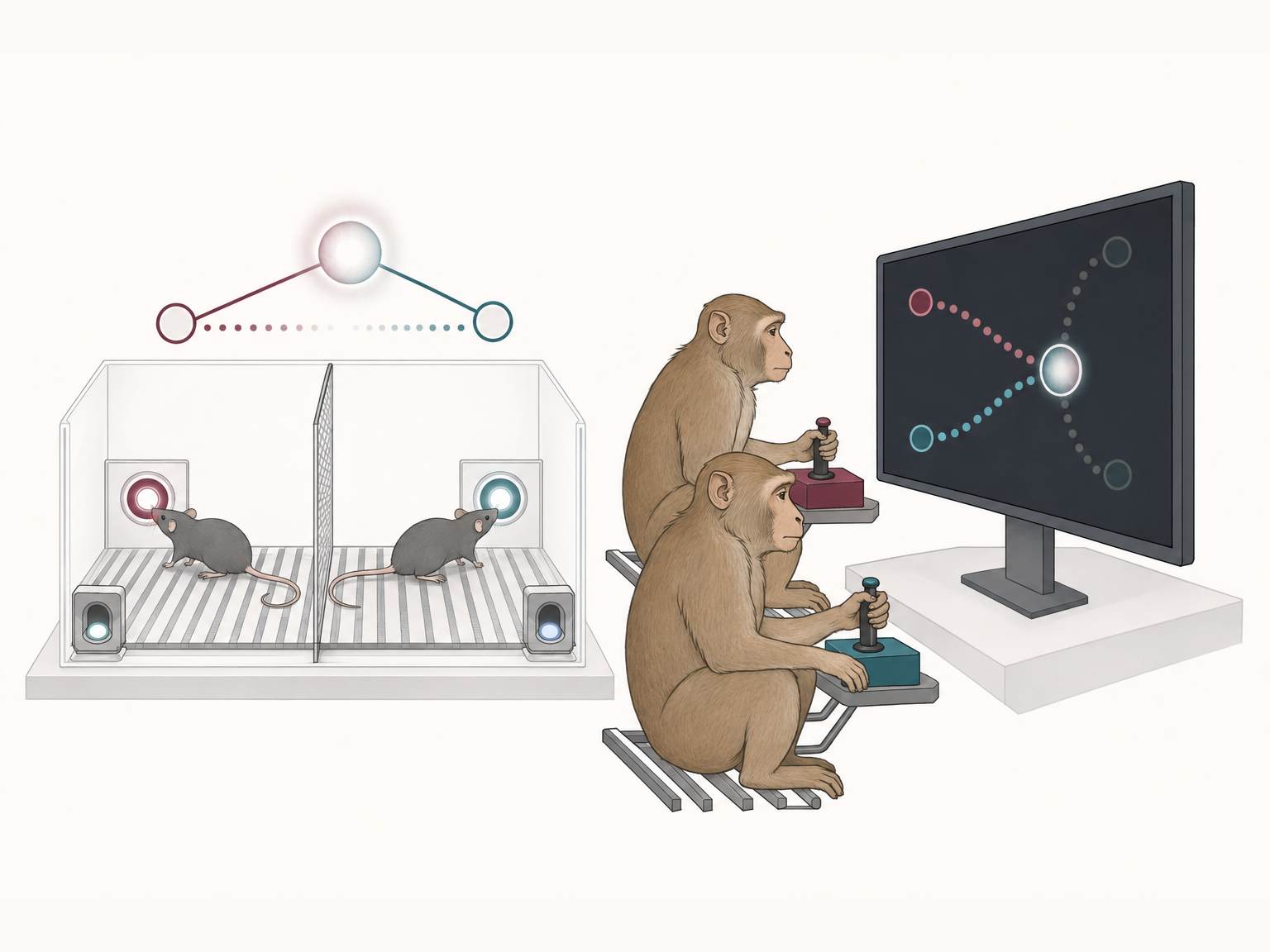
Editorial representation of comparative models

Research area 03

Comparative models of joint action in non human animals

This strand explores whether mice and non-human primates can move beyond coordination and engage in genuine joint action. Mice and macaque monkeys will perform tasks in which they either pursue a collective goal or act in parallel toward individual goals.

The aim is to test whether behavioural and brain markers of collective-goal representation can be found outside humans, and whether these markers reveal evolutionary building blocks of joint action.

Key topics

MiceNon-human primatesComparative cognitionCollective goalsBrain markersCoordination and cooperation
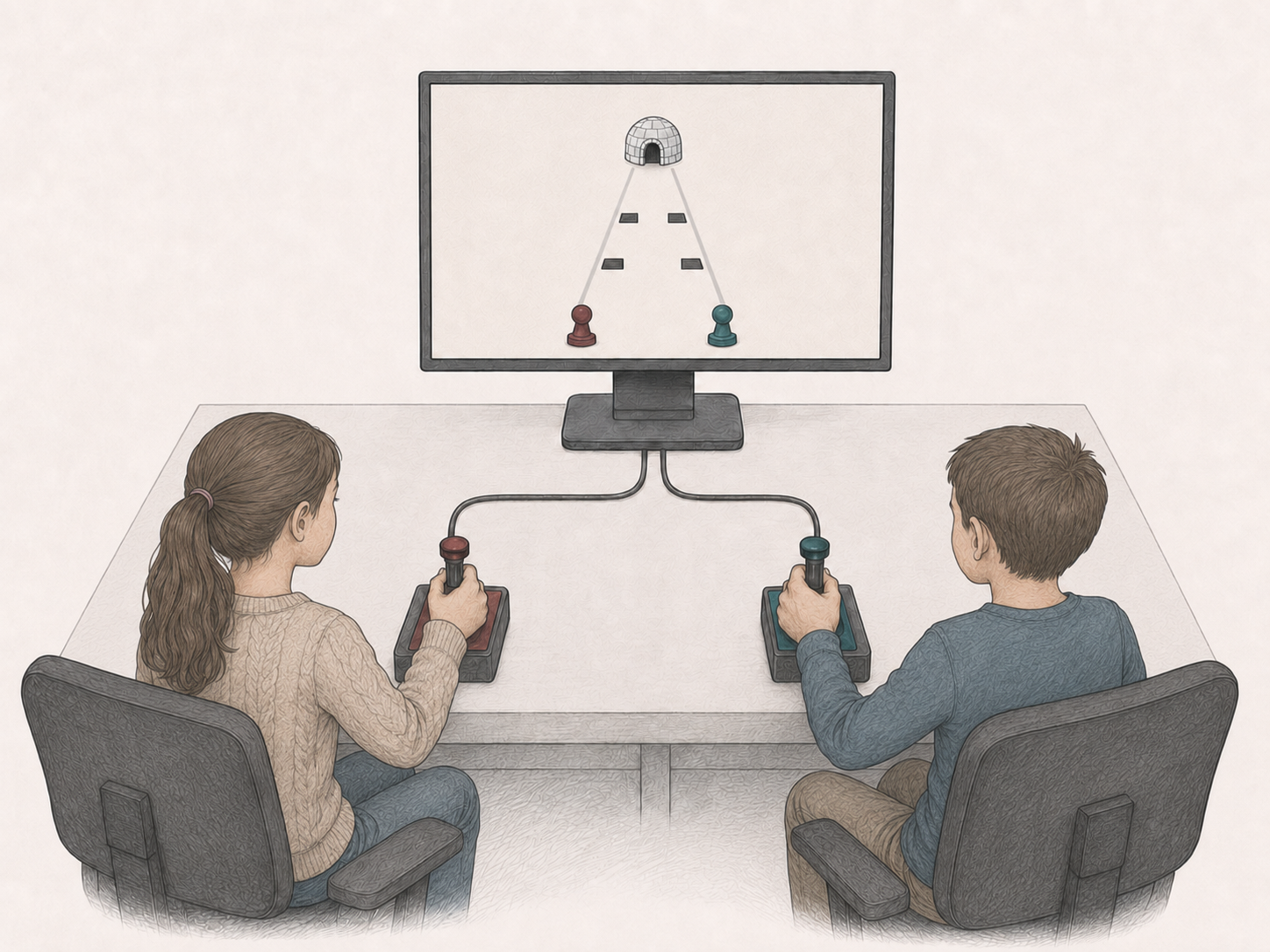
Editorial representation of development and asd

Research area 04

Developmental trajectories and autism spectrum disorder

This strand applies the project’s theory and methods to the study of social development. It investigates how children acquire the capacity to act jointly, and whether difficulties with collective goals may contribute to altered social interaction in autism spectrum disorder.

The project will compare typically developing children and children with ASD as they perform joint and parallel versions of the experimental task. The aim is to understand whether social difficulties in ASD may partly arise from mutual challenges in forming or responding to collective goals.

Key topics

Autism spectrum disorderChild developmentSocial interactionDevelopmental neuroscienceJoint action in childhoodClinical applications